
Complete Guide to Startup Mentorship Explained
Most new american businesses never make it past their first few years, yet startups with effective mentorship often see survival rates jump by over 70 percent. Finding a seasoned guide can change the course for founders facing tough choices and steep learning curves. Understanding what sets strong startup mentorship apart helps entrepreneurs find support, avoid common setbacks, and build a foundation for lasting growth.
Table of Contents
- Defining Startup Mentorship And Its Importance
- Types Of Startup Mentors And Approaches
- How Startup Mentorship Works In Practice
- Roles And Expectations For Founders And Mentors
- Common Challenges And How To Avoid Them
Key Takeaways
| Point | Details |
|---|---|
| Importance of Mentorship | Startup mentorship is vital for providing strategic guidance, emotional support, and practical insights that enhance startup success. |
| Diverse Mentor Roles | Various mentor types, such as industry veterans and emotional support mentors, offer tailored guidance suited to specific entrepreneurial challenges. |
| Collaborative Process | Successful mentorship relies on establishing trust and mutual goals, involving regular assessments and open communication between founders and mentors. |
| Navigating Challenges | Awareness of potential pitfalls, such as misaligned expectations and communication breakdowns, is crucial for maintaining productive mentor relationships. |
Defining Startup Mentorship and Its Importance
Startup mentorship represents a critical developmental relationship between an experienced entrepreneur and an emerging business founder. At its core, mentorship provides strategic guidance, emotional support, and practical insights that can dramatically transform a startup’s trajectory.
A startup mentor serves as more than just an advisor – they are a strategic partner who brings years of professional experience to help entrepreneurs navigate complex business challenges. Structured developmental relationships enable founders to accelerate their learning, avoid common pitfalls, and make more informed strategic decisions. Mentors typically offer guidance across multiple dimensions, including business strategy, network connections, emotional support, and skill development.
The importance of startup mentorship cannot be overstated. Research indicates that mentorship empowers startups by providing critical resources and perspectives that significantly enhance entrepreneurial success rates. Effective mentorship helps founders:
- Develop more robust business strategies
- Expand professional networks
- Build critical leadership and problem-solving skills
- Gain emotional resilience and psychological support
- Access insights from proven entrepreneurs
Mentors bring a wealth of real-world experience that textbooks and academic training cannot replicate. They understand the nuanced challenges of building a business, offering practical wisdom gained through their own successes and failures. By sharing their strategic knowledge, mentors help entrepreneurs make more calculated risks, avoid potential mistakes, and create more sustainable business models.
Types of Startup Mentors and Approaches
Startup mentors play diverse roles in supporting entrepreneurial growth, each bringing unique perspectives and strategies to guide emerging businesses. Multifaceted mentorship approaches enable founders to receive targeted support across different dimensions of business development.
Research reveals multiple mentor archetypes that entrepreneurs might encounter. The Star Roles Model identifies six distinct mentoring approaches, highlighting the importance of adaptive guidance. These mentor types include:
- Industry Veteran Mentors: Experienced professionals who provide deep sector-specific insights
- Technical Skill Mentors: Specialists focusing on specific technical or operational capabilities
- Strategic Advisor Mentors: Professionals who help develop comprehensive business strategies
- Network Connection Mentors: Individuals who facilitate crucial professional introductions
- Emotional Support Mentors: Guides who provide psychological resilience and personal development
- Performance Coaching Mentors: Experts who help optimize leadership and execution skills
Understanding these mentor types allows entrepreneurs to seek targeted guidance aligned with their specific business challenges. Structured developmental relationships enable founders to select mentors whose expertise matches their immediate and long-term entrepreneurial needs. Each mentor type brings unique value, helping startups navigate complex business landscapes by providing specialized knowledge, emotional support, and strategic perspective.
The most effective mentorship transcends simple advice-giving. Successful mentors adapt their approach to individual startup contexts, recognizing that each entrepreneurial journey requires nuanced, personalized guidance. By combining technical expertise, strategic thinking, and empathetic support, these mentors become transformative partners in a startup’s growth and success.
How Startup Mentorship Works in Practice
Startup mentorship is a dynamic, collaborative process that goes far beyond simple advice-giving. Networking for entrepreneurs plays a crucial role in establishing and maintaining effective mentorship relationships that drive meaningful business growth. The practical implementation of mentorship involves structured interactions designed to transfer knowledge, skills, and strategic insights from experienced professionals to emerging entrepreneurs.
Technological advancements are transforming mentorship approaches. Innovative coaching systems now combine cognitive models with advanced technologies to scaffold mentor-novice collaboration, creating more targeted and impactful guidance. These emerging approaches enable more precise, data-driven mentorship experiences that can:
- Proactively identify specific entrepreneurial challenges
- Provide real-time strategic recommendations
- Enhance meeting depth and focus
- Facilitate more personalized guidance
- Create scalable learning experiences
In practical terms, startup mentorship typically follows a structured yet flexible framework. Entrepreneurs and mentors usually begin with an initial assessment to understand the startup’s current stage, challenges, and goals. This allows for customized mentorship that addresses specific needs. Regular meetings, which might occur monthly or quarterly, provide opportunities for in-depth discussions, strategic planning, and problem-solving.

The most effective mentorship relationships are built on trust, mutual respect, and a commitment to genuine growth. Successful mentors don’t just provide answers – they ask powerful questions, challenge assumptions, and help entrepreneurs develop critical thinking skills. By combining industry expertise, personal experience, and a genuine desire to support emerging talent, mentors become transformative partners in an entrepreneur’s journey, helping them navigate complex business landscapes with greater confidence and strategic insight.
Roles and Expectations for Founders and Mentors
Startup mentorship requires a carefully balanced relationship with clear roles and mutual expectations. Entrepreneurial leadership demands that both founders and mentors understand their unique responsibilities in driving business growth and innovation.
Research exploring entrepreneurial mentoring frameworks reveals complex dynamics that evolve across different startup stages. The roles and expectations typically break down into several key dimensions:
For Founders:
- Maintain openness to feedback and critical perspectives
- Proactively seek guidance and insights
- Demonstrate commitment to personal and professional growth
- Implement recommended strategies and report back on outcomes
- Respect the mentor’s time and expertise
For Mentors:
- Provide honest, constructive feedback
- Share industry-specific knowledge and strategic insights
- Challenge assumptions and expand the founder’s perspective
- Connect founders with relevant professional networks
- Maintain confidentiality and professional boundaries
Successful mentorship relationships operate on a foundation of trust, mutual respect, and shared commitment to entrepreneurial success. Unlike traditional hierarchical relationships, startup mentorship functions as a collaborative partnership where both parties actively contribute to learning and growth.
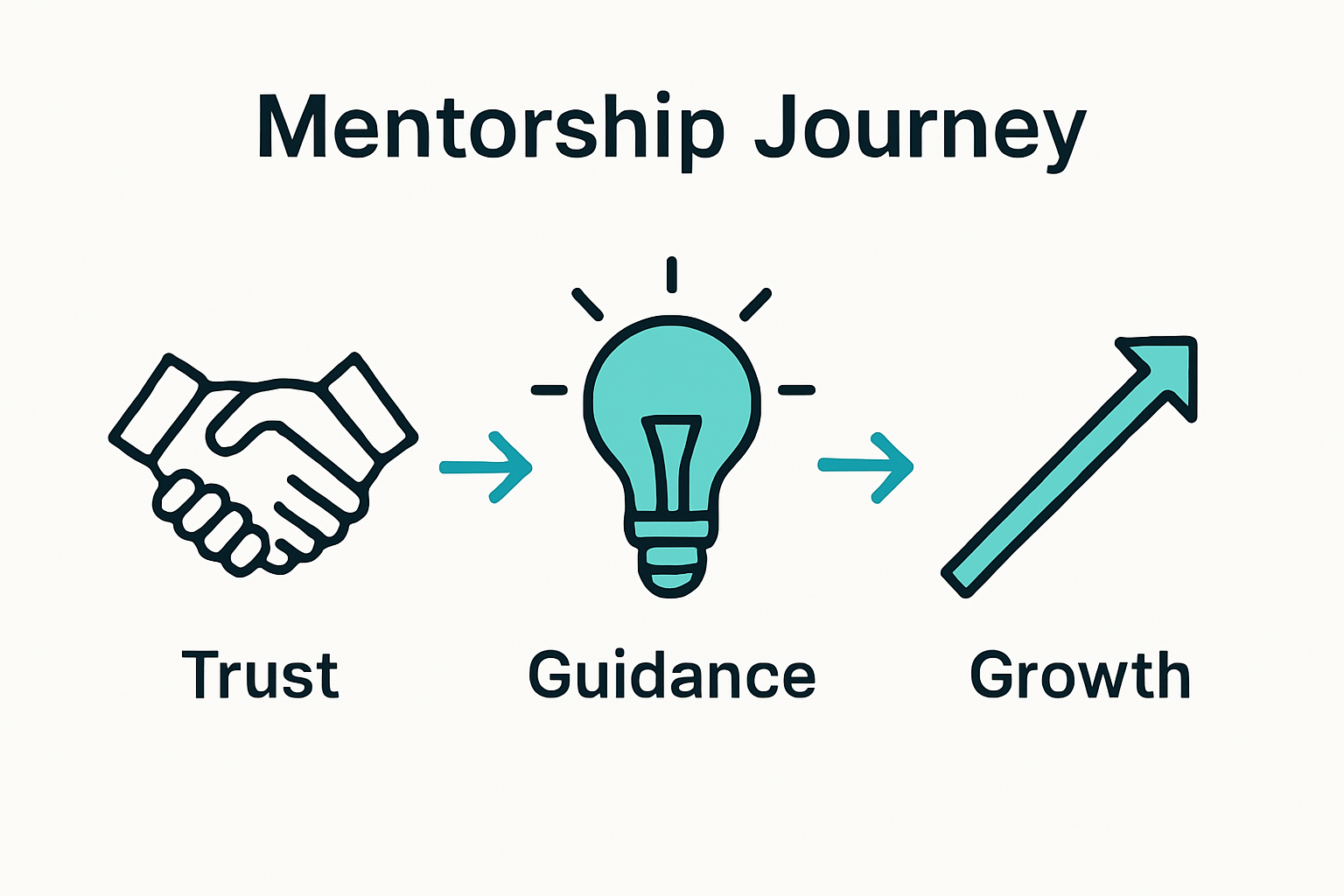
The most effective mentor-founder relationships transcend transactional interactions. They involve deep, strategic engagement where mentors invest genuine interest in the founder’s vision while maintaining objective, experience-driven guidance. By establishing clear communication protocols, setting realistic expectations, and maintaining a spirit of continuous learning, founders and mentors can create transformative relationships that significantly increase the likelihood of startup success.
Common Challenges and How to Avoid Them
Startup mentorship, while transformative, comes with inherent complexities that can derail productive relationships. Top mentorship networks recognize that understanding potential pitfalls is crucial for creating sustainable, value-driven partnerships between founders and mentors.
Typical Mentorship Challenges:
Misaligned Expectations
- Unclear goals and outcomes
- Inconsistent communication frequency
- Undefined relationship boundaries
Communication Breakdowns
- Lack of honest, direct feedback
- Ego-driven interactions
- Ineffective listening skills
Practical Implementation Issues
- Time management conflicts
- Superficial engagement
- Reluctance to implement advice
Entrepreneurial networks offer critical resources for navigating these challenges, providing structured approaches to mitigate potential relationship friction. Successful founders and mentors proactively address potential issues by establishing clear communication protocols, setting explicit expectations, and maintaining professional yet supportive interactions.
The most effective mentorship relationships require continuous calibration. This means regularly reassessing goals, maintaining transparent dialogue, and being willing to adjust approaches when current strategies are not producing desired outcomes. Founders must remain open to constructive criticism while mentors must balance guidance with respect for the entrepreneur’s unique vision and decision-making autonomy. By treating mentorship as a collaborative, evolving partnership rather than a rigid hierarchical relationship, both parties can create meaningful, transformative connections that drive genuine entrepreneurial growth.
Unlock Your Startup’s True Potential with Expert Mentorship and Community Support
Navigating the complexities of startup mentorship can feel overwhelming when faced with challenges like misaligned expectations and the need for emotional resilience. This guide highlights how personalized, structured mentorship plays a vital role in building strategic insight and leadership skills. If you are ready to transform these challenges into growth opportunities, it is essential to engage with a community and mentorship that accelerates your journey.
At Nomad Excel, we specialize in helping early-stage entrepreneurs and teams overcome these common hurdles through immersive entrepreneurship bootcamps and tailored company retreats. Our programs combine proven business frameworks with hands-on mentorship from experienced entrepreneurs who understand your unique needs. By joining our Entrepreneurship Archives, you not only receive expert coaching but also become part of a supportive network that fuels sustained success.
Take the next step now to refine your strategy and build the confidence you need to elevate your startup. Explore our full range of transformational experiences at Nomad Excel and discover programs designed to turn mentorship insights into real-world execution. For a closer look at how we turn entrepreneurial challenges into breakthroughs, visit our Program Archives. Your startup growth journey begins with informed action today.
Frequently Asked Questions
What is startup mentorship?
Startup mentorship is a developmental relationship between experienced entrepreneurs and emerging business founders that provides strategic guidance, emotional support, and practical insights to help startups succeed.
Why is mentorship important for startups?
Mentorship is crucial because it empowers startups by providing critical resources, enhancing entrepreneurial success rates, helping founders develop robust business strategies, and offering emotional resilience and psychological support.
What types of startup mentors are available?
There are various types of startup mentors, including industry veteran mentors, technical skill mentors, strategic advisor mentors, network connection mentors, emotional support mentors, and performance coaching mentors, each bringing unique expertise to assist founders.
How can founders and mentors create effective mentorship relationships?
Effective mentorship relationships are built on trust, mutual respect, and clear communication. Founders should be open to feedback, while mentors should provide honest insights and maintain professional boundaries, allowing for collaborative growth.
Recommended
- Role of Mentorship in Entrepreneurship: Complete Guide – Nomad Excel – Your Entrepreneurial Adventure Starts Here
- 7 Essential Startup Mentorship Benefits for Entrepreneurs – Nomad Excel – Your Entrepreneurial Adventure Starts Here
- Mentorship Process for Entrepreneurs: Accelerate Growth Now – Nomad Excel – Your Entrepreneurial Adventure Starts Here
- Top Startup Mentorship Programs Review – Expert Comparison 2025 – Nomad Excel – Your Entrepreneurial Adventure Starts Here
Comments are closed.